A fake login page can look almost identical to the real Kraken sign-in page, which makes this type of scam especially dangerous. Instead of helping you access your account, the fake page is designed to collect information that you enter, such as an email address, password, or security code. 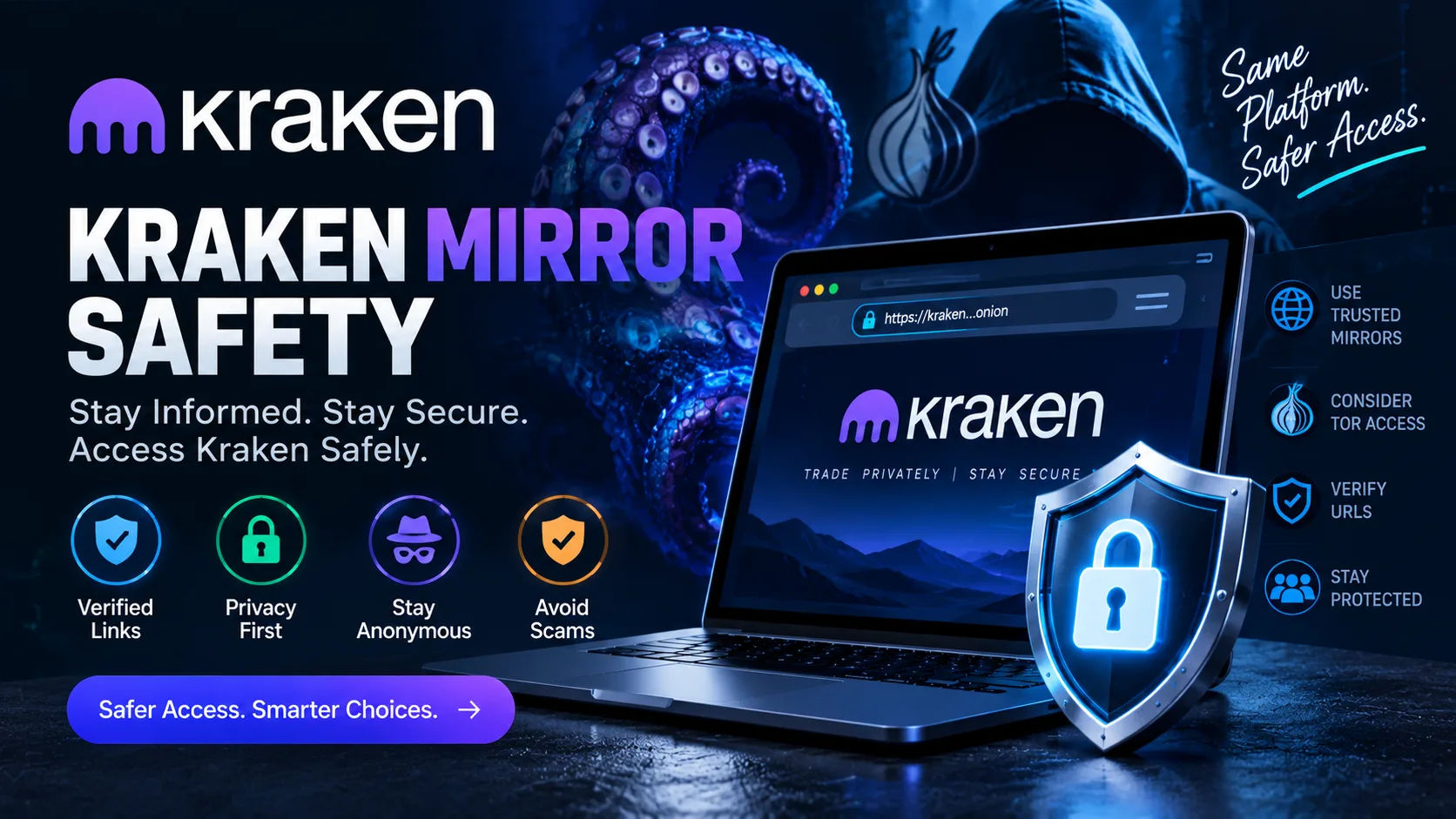
When people search for Kraken login safety поддельный вход Kraken, they are usually trying to understand whether a fake login page can actually capture their account information. The answer is yes. A fraudulent login page can be created specifically to collect login details and send them to a person operating the scam. However, recognizing the warning signs and using safer login habits can significantly reduce the risk.
This guide explains how fake Kraken login pages can steal login data, what information attackers may target, how phishing pages imitate legitimate websites, and what users should do if they accidentally enter information into a suspicious page.
What Is a Kraken Fake Login Page?
A Kraken fake login page is a fraudulent website or webpage designed to resemble the legitimate Kraken login experience.
The goal is normally to make visitors believe they are signing in to their real cryptocurrency account. The page may copy familiar colors, layouts, logos, buttons, and other visual elements.
A user may arrive at such a page after clicking a link in an email, text message, social media post, advertisement, or other online message.
The page can look convincing at first glance. This is why relying only on appearance is not enough to determine whether a login page is genuine.
The most important question is where the page actually sends the information entered into its forms.
Can a Fake Login Steal Login Data?
Yes, a fake login page can potentially steal login data.
A fraudulent page can contain a form that collects information entered by the visitor. Instead of securely sending the information to the legitimate Kraken service, the data may be transmitted to infrastructure controlled by the attacker.
For example, a fake page could request an email address and password. Once submitted, those details could be captured by the scam operator.
Some scams may also attempt to collect additional information, including authentication codes or other security-related details.
This is why users should never assume that a page is safe simply because it has the Kraken name or logo displayed on it.
How Does the Data Theft Process Work?
Fake login scams usually depend on deception rather than complicated technology.
Step 1: The User Receives a Link
The process may begin with a message claiming that the user's account requires attention.
The message might mention a security alert, account verification, unusual activity, password expiration, or another urgent issue.
The purpose is to create enough concern that the recipient clicks the provided link without independently checking where it leads.
Step 2: The User Opens a Fake Website
After clicking the link, the visitor may see a page that closely resembles a legitimate cryptocurrency exchange login page.
The design may contain familiar branding and standard login fields.
Because the page appears professional, the visitor may not immediately realize that it is fraudulent.
Step 3: The User Enters Login Information
The fake page may ask the visitor to enter an email address, username, password, or another piece of information.
Once the information is submitted, it can potentially be collected by the scammer.
Step 4: The Attacker May Attempt Further Access
If the attacker obtains usable credentials, they may attempt to access the associated account.
The exact consequences depend on the information collected, the account's security controls, and whether additional authentication protections are enabled.
This is one reason Kraken login safety поддельный вход Kraken should be treated as an important security topic rather than simply a technical issue.
What Login Data Can a Fake Page Target?
Different phishing pages may request different types of information.
Email Address or Username
An email address can help an attacker understand which account is being targeted.
Although an email address by itself normally does not provide account access, it can become valuable when combined with other stolen information.
Password
Passwords are among the most valuable pieces of information targeted by fake login pages.
If someone enters their real password into a fraudulent website, that password may be exposed.
The danger can be greater when the same password has been reused on other websites.
Authentication Codes
Some sophisticated phishing attempts may try to convince users to provide temporary authentication codes.
Users should be extremely cautious when a suspicious website asks for security codes or other sensitive authentication information.
Recovery Information
A scam may also attempt to collect information associated with account recovery.
The exact information requested varies from one fraudulent website to another.
Why Do Fake Login Pages Look So Real?
Scammers understand that people make quick decisions when they recognize familiar designs.
A fraudulent page may copy common visual elements from a legitimate service.
It may include a familiar logo, similar fonts, comparable buttons, and a login form that looks normal.
Some fraudulent pages may even use HTTPS, which can confuse users.
HTTPS Does Not Automatically Mean a Website Is Legitimate
One common misunderstanding is that a padlock icon proves that a website is genuine.
HTTPS generally means that the connection between your browser and the website is encrypted. It does not automatically prove that the website itself belongs to the company it claims to represent.
A fraudulent website can also obtain HTTPS protection.
Therefore, users should examine the actual website address instead of relying solely on the padlock symbol.
How Can Users Identify a Fake Kraken Login?
Several warning signs can indicate that a login page deserves closer inspection.
Examine the Website Address
The website address is one of the most important things to check.
Look carefully for unusual spelling, extra words, unexpected domains, strange subdomains, or other differences.
Scammers may use addresses that look convincing when viewed quickly.
Do not assume that a familiar company name appearing somewhere in a URL makes the website legitimate.
Avoid Login Links From Unexpected Messages
Unexpected messages that contain login links should be treated carefully.
Instead of following the link, open your browser independently and navigate to the official service using a trusted method.
This reduces the chance of accidentally visiting a fraudulent page.
Watch for Urgent Language
Phishing messages often attempt to create pressure.
A message may claim that your account will be suspended immediately or that you must verify information within a very short period.
Urgency can make people act before checking the details.
A request that creates unnecessary pressure deserves additional scrutiny.
Look for Unusual Requests
A legitimate service should not require users to reveal sensitive information through suspicious channels.
If a page unexpectedly requests unusual credentials, recovery information, or security codes, stop and investigate before continuing.
Can a Fake Login Steal Data Without the User Knowing?
A traditional fake login generally depends on the user entering information into the fraudulent form.
However, users should also be cautious about suspicious websites that attempt to perform other actions in the browser.
This is why visiting questionable links can create risks beyond simply entering a password.
The safest approach is to avoid interacting with suspicious pages altogether.
If a page looks unusual, close it rather than experimenting with its buttons or forms.
What Happens After Login Data Is Stolen?
The consequences can vary.
An attacker might attempt to use stolen credentials to access an account.
If the same password is used elsewhere, the attacker may also try those credentials on other services.
There can also be privacy concerns if additional personal information has been exposed.
For cryptocurrency accounts, unauthorized access can be particularly serious because digital assets may be valuable and transactions can be difficult or impossible to reverse.
This makes early detection important.
How Does Two-Factor Authentication Help?
Two-factor authentication adds another security layer beyond the password.
Instead of relying only on something the user knows, such as a password, authentication can also involve another factor.
This can make unauthorized access more difficult if a password is exposed.
However, users should not assume that authentication completely eliminates phishing risks.
A sophisticated phishing attempt may try to trick a person into providing temporary authentication information.
Therefore, authentication should be combined with careful website verification and safe browsing habits.
What Should You Do If You Entered Your Password on a Fake Page?
If you believe you entered your password into a suspicious login page, act quickly.
First, avoid interacting further with the suspicious website.
Then access the legitimate service through a trusted route rather than returning to the questionable page.
Change the affected password as soon as possible.
If that password has been reused elsewhere, change it on those services as well.
Review available account security information for anything unusual.
Pay attention to unexpected login notifications, security alerts, password-reset messages, or other signs of unauthorized activity.
If you believe your account has been compromised, contact the legitimate platform through its official support channels.
What If You Entered an Authentication Code?
Entering a temporary security code into a fraudulent website can be more serious than simply entering an email address.
If you believe this happened, take immediate account-security steps.
Use a trusted device and legitimate website to review the account.
Change your password and review security settings where appropriate.
Look for unexpected account activity.
If you cannot secure the account yourself, use the platform's official support process.
Avoid anyone who contacts you unexpectedly and claims they can recover your account for a fee.
How Can Users Improve Kraken Login Safety?
Good security habits can prevent many phishing incidents.
Use a Trusted Route to the Website
Rather than clicking login links in unexpected emails or messages, access the service through a trusted route.
You can manually enter the known official website address or use a trusted bookmark that you created yourself.
Use a Unique Password
A strong, unique password reduces the impact of credential exposure.
Avoid using the same password across cryptocurrency accounts, email accounts, shopping sites, and other services.
Password managers can make unique passwords easier to manage.
Enable Strong Authentication
Use available account-security features that provide additional protection.
Authentication can reduce the damage caused by a stolen password, although it should not replace careful phishing awareness.
Keep Your Devices Updated
Operating system and browser updates often contain security improvements.
Keeping your computer and phone updated can reduce exposure to known vulnerabilities.
Be Careful With Browser Extensions
Only install browser extensions from trustworthy sources.
Review installed extensions periodically and remove anything you do not recognize or no longer need.
Suspicious extensions can create additional privacy and security risks.
Why Is Reusing Passwords Dangerous?
Password reuse creates a chain reaction.
Imagine that a user has the same password for a cryptocurrency account and an unrelated website.
If the password is exposed through a phishing attack or a separate data breach, an attacker may try the same combination elsewhere.
A unique password prevents one compromised service from automatically exposing other accounts.
This is one of the simplest improvements users can make to their overall online security.
Common Mistakes Users Should Avoid
Many successful phishing incidents involve ordinary mistakes rather than a lack of technical knowledge.
One mistake is trusting a page because it looks professional.
Another is checking only the logo instead of the complete website address.
Some users also click links because a message appears urgent.
Another common mistake is entering authentication codes into websites without verifying the destination.
Users should also avoid assuming that search advertisements or search results are automatically safe.
A safer habit is to verify the destination before entering any sensitive information.
How Can Businesses Help Employees Avoid Fake Logins?
Organizations can reduce phishing risks through security awareness training.
Employees should understand how fraudulent login pages work and why attackers create them.
Training should include examples of suspicious URLs, urgent messages, unexpected login requests, and unusual authentication prompts.
Organizations can also encourage employees to report suspicious messages instead of silently deleting them.
A strong reporting culture can help identify phishing campaigns earlier.
What Makes a Phishing Message Suspicious?
There is no single sign that proves a message is fraudulent.
Instead, look for several warning signals together.
Unexpected account warnings, unusual links, spelling problems, pressure to act quickly, unfamiliar sender addresses, and requests for sensitive information can all justify additional verification.
However, a message without obvious spelling errors can still be fraudulent.
Modern phishing campaigns can be carefully written and professionally designed.
That is why independent verification is more reliable than judging a message by appearance alone.
Kraken Login Safety and Everyday Security
Understanding Kraken login safety поддельный вход Kraken is useful even for people who have never encountered a fake login themselves.
Security is not only about reacting after something goes wrong.
It is also about building habits that make mistakes less likely.
Checking website addresses, avoiding unexpected login links, using unique passwords, enabling strong authentication, and responding quickly to suspicious activity can all strengthen account protection.
The goal is not to become an expert in cybersecurity.
The goal is to pause before entering sensitive information and verify that the destination is trustworthy.
What Should You Remember About Fake Login Pages?
A fake login page can potentially collect information entered into its forms.
The page may look nearly identical to a legitimate login screen, but appearance alone cannot establish authenticity.
Users should examine the website address, avoid unexpected login links, be cautious with urgent messages, and never provide sensitive information simply because a page requests it.
If information has already been entered into a suspicious page, quick action can help reduce potential damage.
Changing exposed passwords, reviewing account activity, securing other accounts that reused the same password, and contacting legitimate support are sensible steps.
The most important principle behind Kraken login safety поддельный вход Kraken is simple: verify before you trust. A few extra seconds spent checking a website can prevent a much larger security problem.
Conclusion
Yes, a Kraken fake login page can potentially steal login data when users enter information into a fraudulent form. The main danger comes from deception: the attacker creates a page that looks legitimate and relies on the visitor to provide valuable information voluntarily.
Recognizing this method makes it easier to avoid.
Users should never judge a login page only by its appearance. A familiar logo, professional design, or HTTPS connection does not by itself prove that a page is genuine.
Instead, independently verify the website address, avoid suspicious links, and be cautious whenever a message creates unnecessary urgency.
Strong passwords and additional authentication provide useful layers of protection, but safe browsing habits remain important. If a password or security information has already been entered into a suspicious page, users should respond quickly by securing the account through a trusted route and reviewing other accounts that may have been affected.
Ultimately, Kraken login safety поддельный вход Kraken depends on awareness, verification, and consistent security habits. Understanding how fake login pages collect information gives users the knowledge needed to recognize suspicious situations before sensitive data is exposed.