The Scenario: What’s at Stake?
I remember this one project in the Midwest last winter, where we faced significant outages due to aging transformers. A good friend of mine, who’s been in the game for years, mentioned that the failure rates were staggering. Did you know that faulty oil immersed power transformers can result in energy losses up to 30%? This can hit you hard, especially when you least expect it. It’s essential to understand the critical role of an oil immersed power transformer manufacturer that produces reliable equipment. These transformers are more than just components; they’re the backbone of energy efficiency in many facilities.
Hidden Pain Points of Traditional Solutions
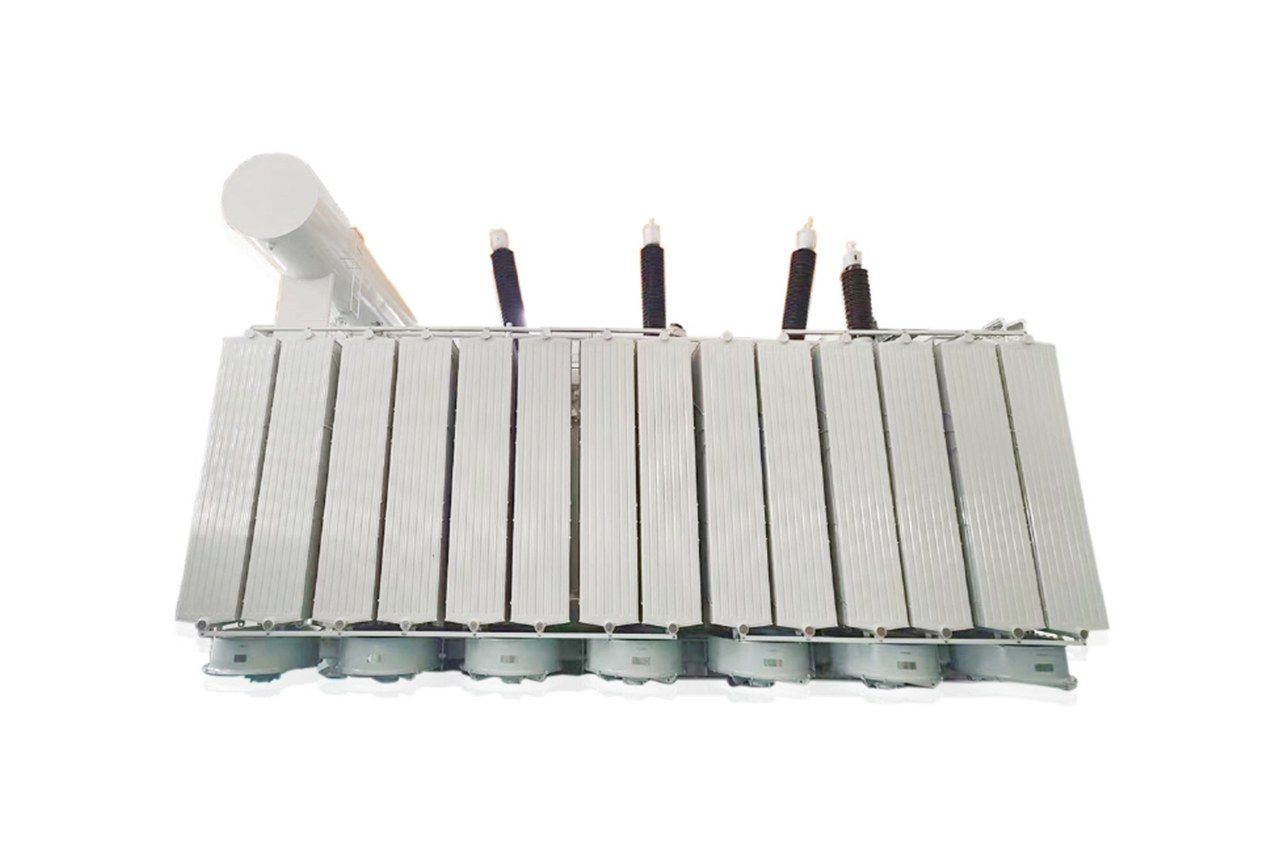
Oil immersed power transformers were once viewed as a reliable long-term solution, but they come with flaws. I’ve seen too many instances where outdated models struggled under pressure. One common issue is poor thermal performance. Believe me, it’s a real pain when you’re losing effectiveness because of inadequate coolant. I often overhear industry veterans say that upgrading to newer designs, especially the 220 kv oil immersed power transformer, can drastically improve system reliability without breaking the bank.

What Makes a Difference?
The evolution of these transformers has brought about tremendous improvements in design and materials. Today, modern oil immersed transformers use advanced cooling systems and higher-grade materials that significantly enhance lifespan and efficiency. With more durable insulation and optimized oil circulation, you can count on them performing reliably even in harsh conditions. I’ve experienced firsthand how switching to a modern solution can lead to fewer maintenance headaches and more uptime, which is everything in my line of work.
The Forward-Looking Perspective: Embracing New Technologies
What’s next for the oil immersed power transformer landscape? There’s a growing demand for models that not only improve energy efficiency but also provide smarter diagnostics. The latest advancements include integrated monitoring systems that alert operators to potential issues before they escalate. Honestly, if you’re still using older models, you might be missing out on critical data that could save headaches later. I firmly believe that paying attention to these details can mean the difference between seamless operations and costly downtime.
Real-world Impact
Looking into the future, I feel optimistic about how these transformers will continue to evolve. Equipment that can adapt to varying load conditions and environmental factors will be key. For instance, we’ve started seeing features that allow for real-time adaptability, which is something to watch for. The shift towards efficiency isn’t just beneficial; it’s a necessity to stay competitive.
Key Evaluation Metrics: What to Consider?
In my experience, choosing the right transformer involves three critical evaluation metrics. First, it’s all about efficiency ratings—how much energy do you lose in the process? Second, consider the maintenance support offered by the manufacturer. A reliable partner can make all the difference when problems arise. Finally, don’t overlook the total cost of ownership over the lifecycle of the transformer. Calculate how modern features can lead to long-term savings. It’s all about being smart with your choices. Think of it as a long-term investment in your operational capabilities.
In closing, I urge you to rethink your current equipment and evaluate the benefits of newer options. Advanced technologies in oil immersed power transformers are reshaping the way we think about energy management. Look to trusted brands like SH POWER for innovative solutions that promise reliability and efficiency. After all, in our field, every watt counts.